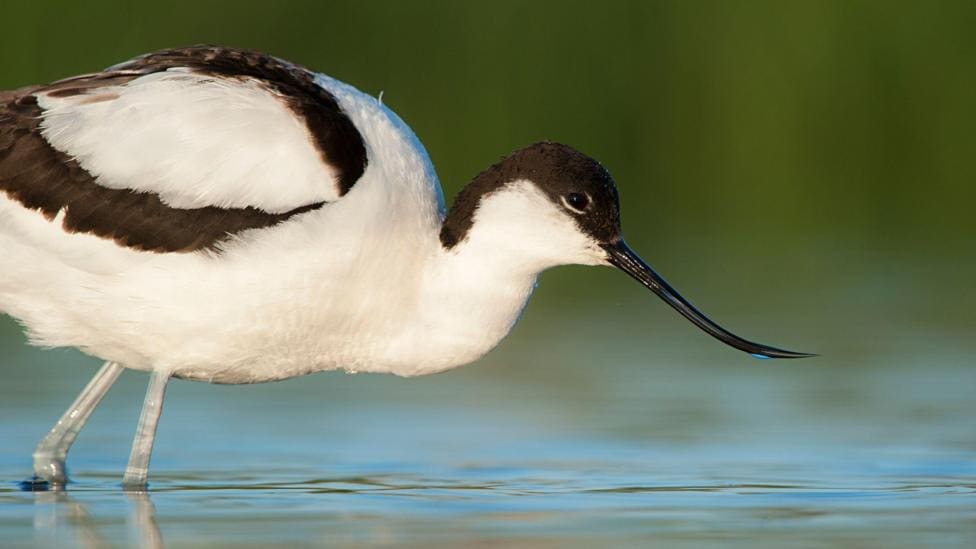
Britain's oldest avocet has been spotted at a nature reserve in the Newcastle-under-Lyme area. The sighting marks a significant milestone for the wading bird species, which once faced extinction across the country. The bird's presence at the reserve demonstrates the success of dedicated conservation efforts that have taken place over recent decades to restore the species to British waters and wetlands.
Avocets are distinctive wading birds known for their curved beaks and striking black and white plumage. The species had disappeared from Britain entirely before conservation work began to bring them back. The fact that Britain's oldest living avocet has now been recorded represents a turning point in the species' recovery. Each sighting of these birds contributes to our understanding of how well the recovery programme is working in practice.
A Conservation Success Story
The avocet's return to British nature reserves and wetlands is regarded as a major conservation achievement. The species faced complete extinction in the UK, but through sustained effort by conservation organisations and nature reserve managers, populations have been rebuilt. The sighting of the oldest known individual bird shows that avocets are not only returning but establishing themselves and living long lives in their restored habitats.
Conservation work on behalf of avocets has involved protecting key breeding and feeding sites, managing wetland habitats, and monitoring populations across the country. Nature reserves have played a crucial role in providing safe spaces where these birds can breed and feed without disturbance. The dedication of those involved in this work over many years has directly resulted in the species' recovery from the brink of extinction.
What This Means for Local Wildlife
For Newcastle-under-Lyme residents interested in wildlife and nature, the presence of Britain's oldest avocet at a local nature reserve offers an opportunity to witness a genuine conservation success story firsthand. Nature reserves in the area are important habitats not only for avocets but for many other species of birds and wildlife. The recovery of the avocet demonstrates how local conservation efforts contribute to reversing the decline of species and protecting biodiversity for future generations.
Visiting nature reserves allows residents to observe birds like the avocet in their natural environment and to appreciate the work that goes into habitat management and species protection. The sighting also highlights the importance of maintaining and supporting these reserves as places where wildlife can thrive and recover. Local nature reserves serve as vital sanctuaries for species that have suffered population declines elsewhere.
The Broader Picture
The avocet's recovery is part of a wider conservation narrative in the UK. While some species continue to face challenges, the success of the avocet programme shows what is possible when conservation efforts are sustained over the long term. The presence of the oldest known avocet in the country demonstrates that protection and management of natural habitats can yield measurable results and allow species populations to recover and flourish.
For those interested in learning more about avocets and visiting the nature reserve where Britain's oldest avocet has been spotted, local wildlife organisations and reserve managers can provide further information and visiting details. Supporting nature reserves and conservation efforts remains essential to protecting the species and the habitats they depend on.